At TipTipul, osteopathy is not “practice” – it is an encounter
דף הבית » Osteopathy for Children and Infants
Gentle touch, deep listening, and support for natural development. Osteopathy for children and infants is a gentle manual treatment method that views the body as a whole – movement, nervous system, breathing, and emotion – and focuses on creating optimal conditions for development and natural healing. At TipTipul, osteopathy is specially adapted for young children and is performed with soft, attentive, and safe touch, while listening to the body's responses and the needs of the child and family.
Osteopathy is a manual treatment method that works with the body’s various systems through gentle touch and specialized techniques. The goal is not to “fix” the body, but to help it release from limitations, balance stresses, and support its natural healing ability. In infants and children, even a small change can have a significant impact.
Osteopathy for children and infants is suitable for conditions such as:
And also when: “Everything seems fine, but something feels unbalanced.”
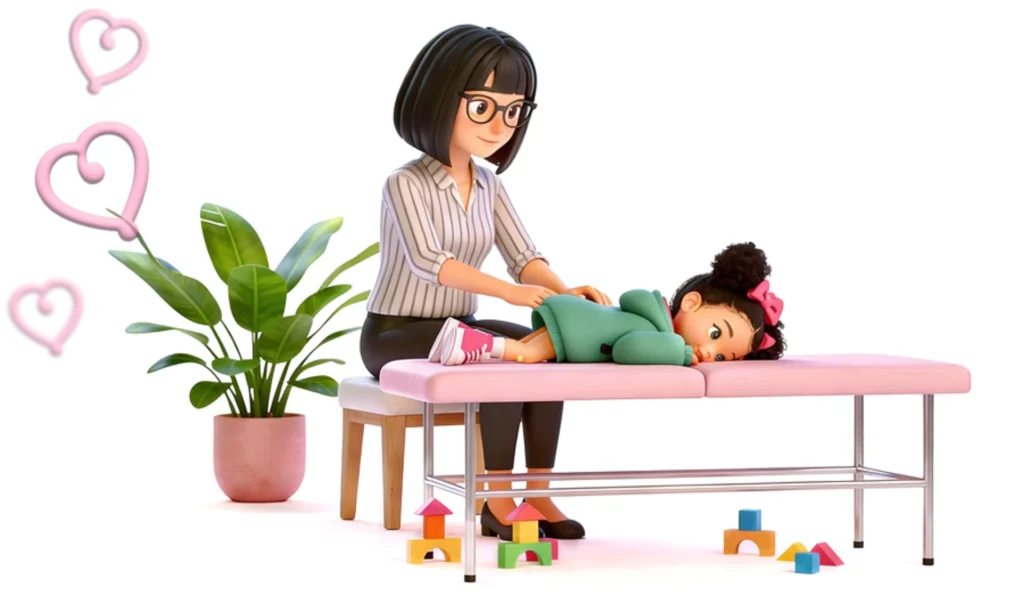
The treatment takes place in a quiet and pleasant environment, in the presence of the parent, and at a pace that suits the child. The touch is very gentle, sometimes almost imperceptible, and focuses on listening to movement, breathing, and the body’s responses. With infants, the treatment sometimes looks like a calm embrace – and that is exactly the point.
Gentle muscle release, stretches, joint work, and rebalancing of movement ranges.
Primarily for treating internal organs and conditions such as reflux, abdominal pain, and breathing problems.
For balancing the central nervous system, reducing tension in the head and neck, and more...
Specialization in working
with infants and children
Integration with additional
treatments as needed
Comprehensive view
of the body and development
Guidance and explanation for parents
as part of the process
Gentle and safe touch
adapted to age
No. The treatment is very gentle and does not cause pain.
Sometimes one treatment or a few individual sessions and sometimes a short process – depending on the condition.
Yes, always.
Absolutely. Osteopathy integrates well with Chinese medicine, hydrotherapy, and other treatments.
Behavior Analyst (ABA) | Adapted Education Teacher | Parent Coach. She is a certified behavior analyst (ABA), adapted education teacher, and parent coach, with approximately ten years of experience supporting children and families facing behavioral challenges, attention deficit and hyperactivity disorder (ADHD), and needs on the autism spectrum.
Lee’s work focuses on a deep understanding of the child’s social and emotional world – social situations, social norms, theory of mind, and developing interpersonal skills that enable children to create meaningful connections and strengthen their sense of competence and self-confidence.
Treatment takes place in individual, paired, or group sessions, according to the child’s unique needs and developmental stage, and is based on building a personal connection, in-depth observation, and gradual work that leads to meaningful and stable change over time.
Lee believes that quality behavioral therapy is not only about the behavior itself, but about understanding the child within their environment – the family, the educational setting, and social relationships. Working with parents and the teams surrounding the child is an integral part of the therapeutic process, and enables genuine integration of change into daily life.
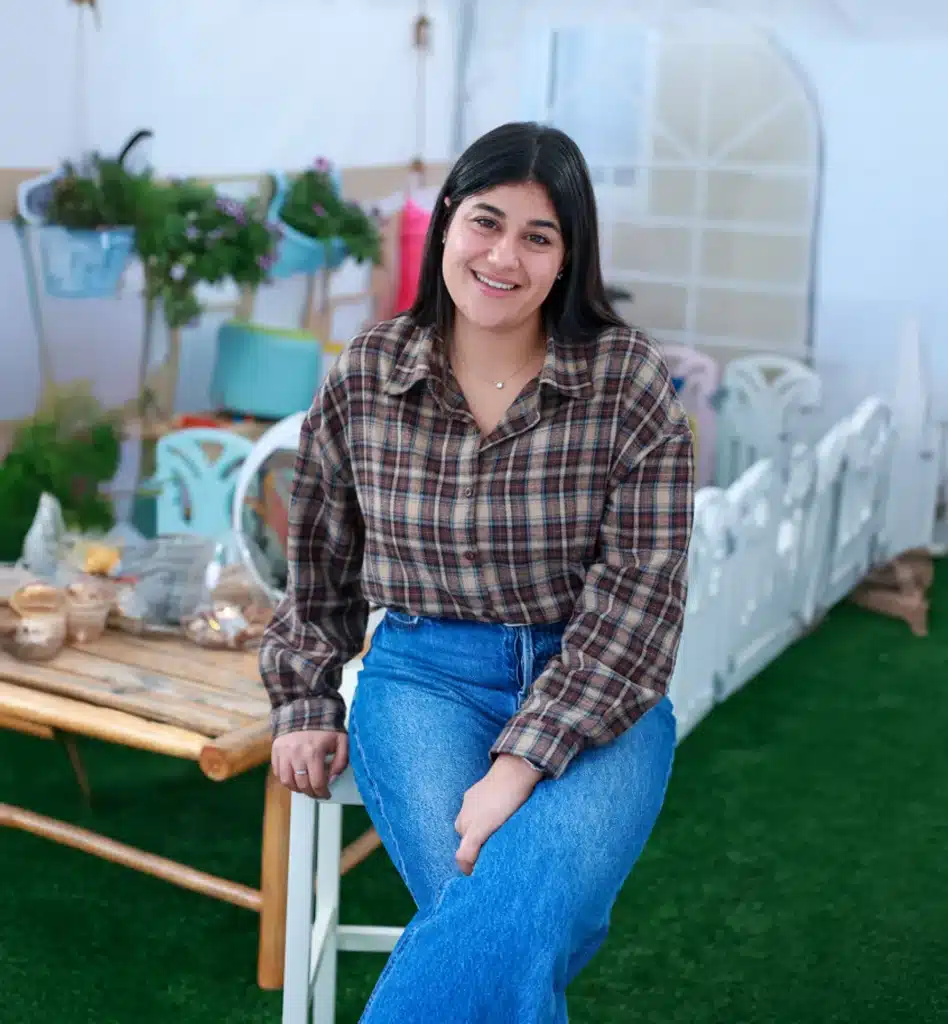
Yaniv is a Chinese medicine and hydrotherapy practitioner with over 20 years of experience, and the founder and owner of TipTipul—a clinic born from a personal dream that developed over years of thinking, doing, learning, and developing. Working with children, infants, and parents is at the heart of Yaniv’s practice.
He wakes up every morning with a sense of mission and excitement, knowing that a day awaits him filled with encounters with families facing complex challenges—sometimes frustrating and sometimes unclear—and seeking a deep, calm, and containing response. Even after many years in the profession, curiosity continues to drive him.
Yaniv seeks to understand the root of the problem, learns every day from the children and parents, and believes that good treatment begins with listening, observation, and the ability to ask questions—not just providing quick solutions. Chinese medicine treatment is carried out with patience and containment of the entire family and the child in particular. The goal is to connect with the child’s world, at a pace that suits them, and create a safe space that enables trust and cooperation.
Sometimes this means arriving for a session, but no actual treatment takes place.
For Yaniv, this is a natural and proper part of the process—a stage in which the child learns to trust and develops the ability to meet therapeutic figures outside the immediate family circle.
Yaniv’s perspective is broad and deep, addressing the small details that tell a big story:
body odor, skin color, muscle tone, sleep patterns, movement, and emotional response—always in the context of the child’s and parents’ needs. In hydrotherapy, which is his “second hat,” Yaniv creates a positive, playful, and safe environment,
even for children who cannot swim or experience insecurity in water.
Through building a personalized goal bank, a gradual process begins of developing independence and confidence in water—and from this, also strengthening the sense of security in daily life, social relationships, and family circles.