
What is Emotional Regulation
Emotional regulation is the child’s ability to identify, contain, and manage emotions of varying intensities. In children, this system is still developing, and therefore anger, frustration, and outbursts are not a “behavioral problem” but rather an expression of an emotional system that is still learning to balance itself.
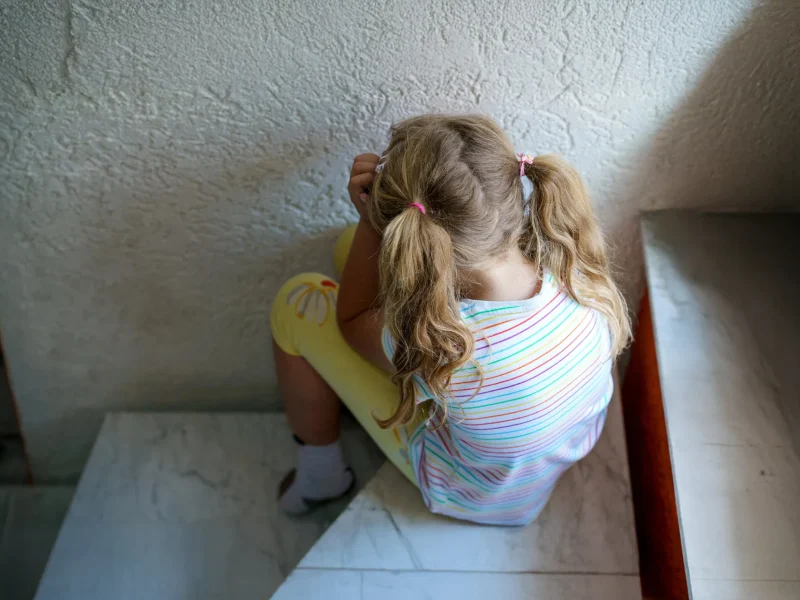
Children struggle with emotional regulation when the gap between what they feel and the tools they have to cope is too large. In such situations, the body and emotions react before thinking can intervene, and the response manifests as an outburst, crying, avoidance, or difficulty cooperating.
Common Factors Contributing to Difficulty in Emotional Regulation:
- Neurological and emotional maturity that is still developing
- High sensitivity to stimuli (sensory overload, fatigue, hunger)
- Difficulty with emotional language and the ability to express needs
- Experiences of lack of control, change, or ongoing frustration
- Gap between environmental demands and the child’s coping ability
Anger in children is a legitimate emotion, but without appropriate guidance it can become a fixed pattern of overwhelm and helplessness. When the child cannot regulate themselves, they need an adult to accompany, guide, and gradually teach them how to calm the emotional system and choose a different response.
This creates the natural connection to behavioral therapy: not as a way to “fix” the child, but as a tool that translates complex emotions into learnable behaviors – while strengthening confidence, control, and coping ability.