Why Fear?
Fear is a natural and basic instinct we have as human beings. In children, fear is very pronounced and characteristic, and sometimes we as parents refer to it as “childhood fear.” When we are not balanced as danger approaches, the body enters a state of stress and immediately activates the body’s emergency nervous system—the sympathetic system. The system operates automatically without our control over the sensations and processes required for the body’s activity in stressful situations. Activation of the system requires a great deal of energy from the body and is meant to function for only a short time. When a child is frightened on a daily and systematic basis, the sympathetic system operates for an extended period and causes a drain of energy and resources from the child, weakening them.
Functioning in a state of fear and stress over time causes many problems in the child’s daily functioning and interferes with their basic physiological and social functions. A good example of this is when the sympathetic system is active, the immune system functions in a very basic way to the point of dysfunction—all resources are diverted to dealing with the “danger.” Most blood flow is directed to the legs and arms (to flee or fight) and to the head. The result of this situation leads to weakening of the body and allows pathogens to invade the body easily without significant resistance from your children’s immune system. In Chinese medicine, constant stress leads to internal heat which can damage many tissues of the body and create numerous manifestations of illness.
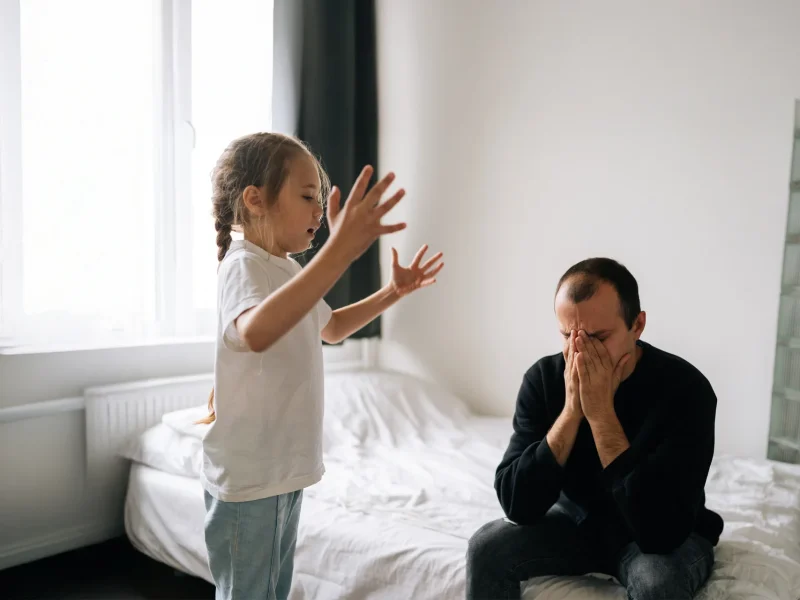
80% of illness manifestations in children at our clinic are characterized by excess internal heat (high stress in children). Children are characterized by many types of fears: fear of darkness, fear of noise, fear of people, fear of being alone, fear of transitions and changes, and more. These descriptions also appear in adults who have greater tools, abilities, and resources to cope with the situation. Helping young children is critical—these are the ages when the child’s personality is being shaped and many neurological connections are formed, which leads to improvement in their quality of life and normal development. A young child looks to their parents as an example of behaviors in different situations and their reactions—they sense them without understanding the reason. When one of the parents suffers from anxiety, the child senses the anxiety that the parent projects and reflects it back to the parent, creating a feedback loop between the parent’s anxiety and the child’s and back. This can be clearly seen in children who experience anxiety only when their parents are in their environment.
The Difference Between Fear and Anxiety
Fear is of something defined (darkness, a large dog). Anxiety is a frequency that creates a general apprehension without form, and therefore is difficult to address. In Chinese medicine, we relate to the frequency that is created rather than to the manifestation.
How Do We Treat It?
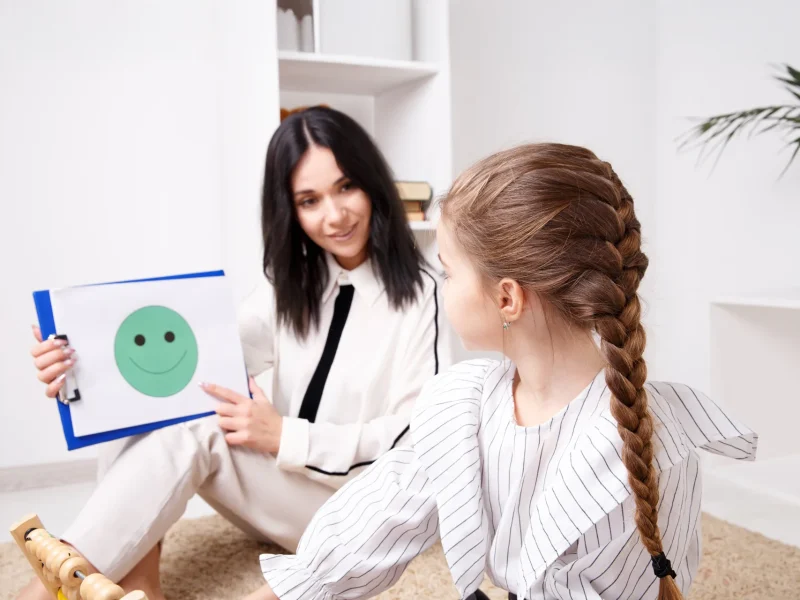
The treatment for anxiety that works excellently in children is talk therapy such as CBT adapted for children, delivered in a pleasant manner according to the child’s needs and progress. Another excellent treatment is Chinese medicine through acupuncture at points that calm the sympathetic system and points that help treat the root of the fear. If the imbalance is chronic, there is the option of customized herbal medicine—a natural formula personally adapted to the child that can provide a good foundation for balance and relief for the child’s well-being. Tuina—Chinese massage adapted for children, working on the soles of the feet, accelerates relief of symptoms, most of which manifest in the upper part of the body, and through foot massage brings balance and regulation between all parts of the body.