We believe that good treatment for children does not begin with “doing ,” but with being present
דף הבית » Chinese Medicine
Gentle, attentive treatment adapted to the child's world. Chinese medicine for children and infants is a sensitive treatment approach that views the child as a whole – body, emotion, and development – and adapts itself to the pace, age, and character of each child. At TipTipul, Chinese medicine does not begin with needles, but with listening: to the child, to the parents, and to what the body is trying to say.
Chinese medicine is an ancient treatment method, but when working with children it is performed in a modern, gentle manner adapted to their age. The treatment does not “force” change, but rather supports the body and allows it to return to balance naturally, especially at ages when the body responds quickly and wisely.
In Chinese medicine for children at TipTipul, the tools are selected according to the child – not the other way around.
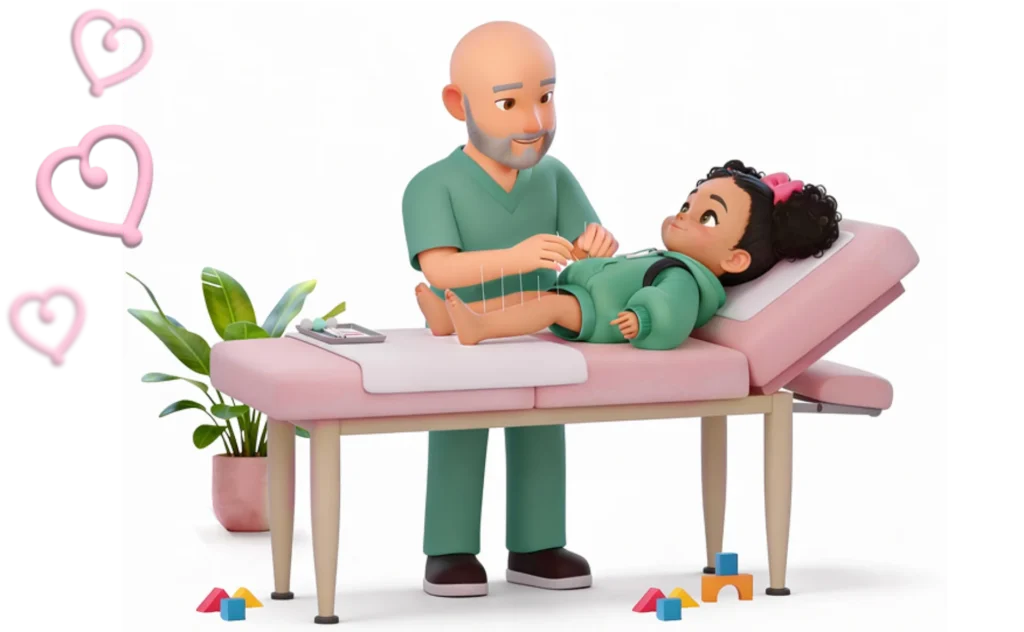
Very gentle acupuncture, brief in duration, and in many cases barely felt. Always with full attention to the child and their response.
A broad perspective
on the child and family
Integration of touch,
listening, and emotional work
Full adaptation to the age,
character, and pace of the child
Natural connection between treatment
for the child and guidance for parents
A unique Japanese method performed using gentle tools without penetrating the skin. Particularly suitable for infants, sensitive children, or those who need time to build trust.
Chinese massage specifically for children, working on the digestive system, respiration, sleep, and regulation. Sometimes also integrated as guidance for parents to continue at home.
The treatment takes place in a calm, pleasant environment adapted for children. Before each treatment there is a conversation and introduction – with the parents and with the child. Sometimes the first session is dedicated solely to establishing connection. Sometimes the child chooses to play, observe, or stay near the parent – and this too is considered part of the treatment. The goal is to create a safe space from which change can begin.
In most cases – no. The treatment is adapted for children, and in methods such as Shonishin and Tuina there is no use of needles at all.
Absolutely not. There are children who receive full treatment without any acupuncture at all.
It varies from child to child. Sometimes change is seen after just a few sessions and sometimes a more gradual process is required.
Yes. The parent’s presence is important and contributes to the child’s sense of security.
Absolutely. Chinese medicine integrates well with additional treatments and multidisciplinary support.
Behavior Analyst (ABA) | Adapted Education Teacher | Parent Coach. She is a certified behavior analyst (ABA), adapted education teacher, and parent coach, with approximately ten years of experience supporting children and families facing behavioral challenges, attention deficit and hyperactivity disorder (ADHD), and needs on the autism spectrum.
Lee’s work focuses on a deep understanding of the child’s social and emotional world – social situations, social norms, theory of mind, and developing interpersonal skills that enable children to create meaningful connections and strengthen their sense of competence and self-confidence.
Treatment takes place in individual, paired, or group sessions, according to the child’s unique needs and developmental stage, and is based on building a personal connection, in-depth observation, and gradual work that leads to meaningful and stable change over time.
Lee believes that quality behavioral therapy is not only about the behavior itself, but about understanding the child within their environment – the family, the educational setting, and social relationships. Working with parents and the teams surrounding the child is an integral part of the therapeutic process, and enables genuine integration of change into daily life.
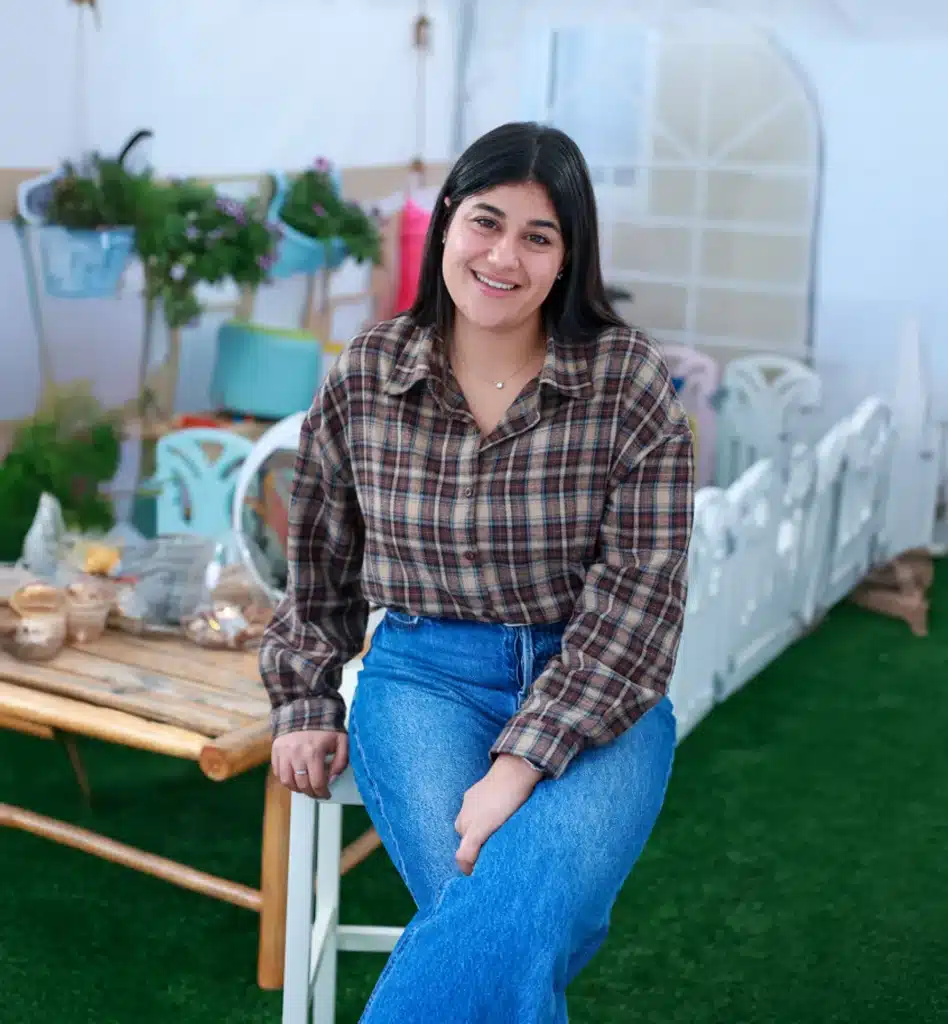
Yaniv is a Chinese medicine and hydrotherapy practitioner with over 20 years of experience, and the founder and owner of TipTipul—a clinic born from a personal dream that developed over years of thinking, doing, learning, and developing. Working with children, infants, and parents is at the heart of Yaniv’s practice.
He wakes up every morning with a sense of mission and excitement, knowing that a day awaits him filled with encounters with families facing complex challenges—sometimes frustrating and sometimes unclear—and seeking a deep, calm, and containing response. Even after many years in the profession, curiosity continues to drive him.
Yaniv seeks to understand the root of the problem, learns every day from the children and parents, and believes that good treatment begins with listening, observation, and the ability to ask questions—not just providing quick solutions. Chinese medicine treatment is carried out with patience and containment of the entire family and the child in particular. The goal is to connect with the child’s world, at a pace that suits them, and create a safe space that enables trust and cooperation.
Sometimes this means arriving for a session, but no actual treatment takes place.
For Yaniv, this is a natural and proper part of the process—a stage in which the child learns to trust and develops the ability to meet therapeutic figures outside the immediate family circle.
Yaniv’s perspective is broad and deep, addressing the small details that tell a big story:
body odor, skin color, muscle tone, sleep patterns, movement, and emotional response—always in the context of the child’s and parents’ needs. In hydrotherapy, which is his “second hat,” Yaniv creates a positive, playful, and safe environment,
even for children who cannot swim or experience insecurity in water.
Through building a personalized goal bank, a gradual process begins of developing independence and confidence in water—and from this, also strengthening the sense of security in daily life, social relationships, and family circles.